
The Aviator game Builds Positive Addiction in Canada
Canadian online gaming typically addresses addiction as a threat, something to steer clear of. But a fresh concept is emerging around Aviator-style games. You can find it on platforms such as aviatorcasino.app/aviator. This game is initiating a new discussion about what some people refer to as «positive addiction.» This is not harmful dependency. It’s about […]
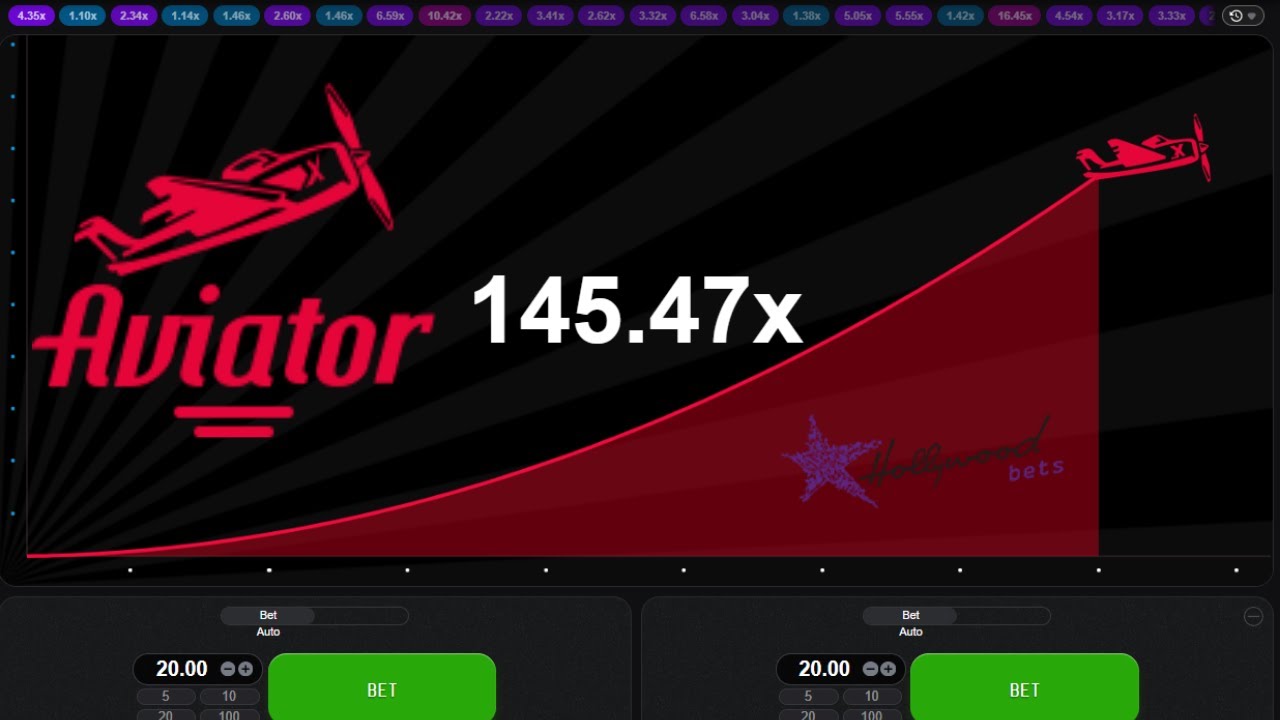
Canadian online gaming typically addresses addiction as a threat, something to steer clear of. But a fresh concept is emerging around Aviator-style games. You can find it on platforms such as aviatorcasino.app/aviator. This game is initiating a new discussion about what some people refer to as «positive addiction.» This is not harmful dependency. It’s about how the game fosters focused engagement, assists users recognize patterns, and even regulate their emotions. For local players, Aviator is not just a chance to make a profit. It’s a quick mental workout where skill, timing, and discipline come together. This examination of the game explores how its design builds a healthy kind of habit. It can improve your reactions and deliver controlled excitement, shifting how we approach gaming in Canada.
The science of Positive Gaming Habits
It’s essential to separate harmful compulsion from positive habit formation in online gaming. A positive addiction is a repeated behavior that motivates you, enhances your well-being, and doesn’t hurt your daily life. In Canada, where responsible gaming is a major part of the conversation, Aviator’s mechanics fit this idea. The game induces a state of «flow,» that feeling of being completely absorbed in an activity. You hit this zone when the challenge suits your skill. The plane’s climb is unforeseeable, but you can build strategies by analyzing and evaluating risk. The wins come on an variable schedule, which keeps your brain in a healthy loop of learning, not a desperate chase to win back losses. For a Canadian player, this turns a session feel more like tackling a strategic puzzle than making a reckless bet.
Intellectual Stimulation and Reward Systems
Aviator directly involves the brain’s executive functions. These govern decision-making, impulse control, and planning. Every round is a minor exercise in making choices.
Key Cognitive Processes Activated
Players constantly consider the growing multiplier against their own cash-out target. This works out your risk-assessment muscles and tests your ability to wait for a reward. The game moves fast, with rounds ending in seconds. This requires quick thinking and adaptability, which can sharpen your mental reflexes. Also, the visual and sound of a successful cash-out provide you a clear, satisfying reward. That reward reinforces careful planning, not rash action. This structured engagement aids Canadian players build a framework for disciplined play. The habit that develops is one of thoughtful participation, not mindless clicking.
Fundamental Mechanics of Aviator That Build Discipline
Aviator’s design is ingenious in its simplicity, and that simplicity fosters discipline. The game is a challenge of nerve and pre-commitment. Before the round starts, as the virtual plane begins to climb from a 1.00x multiplier, you must choose your cash-out point. This rule requires you to think of a strategy ahead of time. It’s different from games where you can alter your bet frantically while play is happening. The risk that the plane will fly away and the multiplier will drop to zero creates real tension. But you control that tension with your own forethought. This system instills a habit of setting clear goals and sticking to them, a skill that makes sense to the pragmatic Canadian gamer. The game doesn’t let you chase losses during a round. If you miss your cash-out point, that’s it. It teaches you to embrace the outcome and advance to the next strategic chance.
- Pre-Round Decision Making: You have to prepare before anything happens, which creates a habit of looking forward instead of responding on impulse.
- Clear Visual Feedback: The soaring multiplier and instant cash-out show you the immediate result of your choice, reinforcing cause and effect.
- Inherent Finality of Choices: You can’t alter your cash-out decision once the plane is flying. This instills commitment and how to deal with consequences.
- Controlled Pace: Rounds are rapid, but you have to hold for a new one to begin. This provides you a natural interval between decisions.
Contrasting Positive Engagement with Addictive Gambling
We must examine how Aviator’s model is completely different from the systems behind harmful gambling. Traditional slot machines frequently employ near-misses and sensory overload to push continuous, mindless play where your decision-making erodes. Aviator puts the player in a state of constant agency. The appeal here isn’t the hope of a random jackpot. It’s the command of a skill-based challenge: timing your cash-out perfectly. Harmful gambling often intensifies with losses. Positive engagement with Aviator can be stable because the satisfaction arises from the quality of your decision, not just if you won money. For the Canadian market, which stresses self-awareness and control, this difference is key. The game becomes a space to practice financial and emotional discipline inside a exciting but bounded space. It isn’t a sinkhole for uncontrolled spending.
Risk Perception Versus Risk Avoidance
A major difference is the game’s transparency. The risk isn’t hidden. It’s the main event. The plane will crash every single time. The only unknown is when. This compels players to openly acknowledge and negotiate with risk. It’s a stark contrast to games that disguise the true odds. This honest confrontation with probability can lead to a more balanced overall relationship with games of chance.
Building a Healthy Routine Around Gameplay
Integrating Aviator into a harmonious life is essential to the constructive addiction idea. Canadian players can utilize the game’s own framework to build good routines. For example, defining strict time limits for sessions or determining on a loss or win cap before you log in matches the game’s focus on pre-commitment. The fast pace of the rounds enables it to work as a short mental break, not a multi-hour time sink. Many players mention they use the game as a cognitive warm-up or a way to hone focus before other work. The community aspect, through live chat features on gaming platforms, can generate a sense of shared experience and support responsible play. When you approach gameplay as a scheduled, intentional activity with clear boundaries, similar to a workout or a hobby, you transform it. It quits being a potential vice and evolves into a rewarding pastime that enhances your mind and offers controlled excitement.
- Establish Session Parameters: Choose on a time limit, like 30 minutes, and a budget for that session before you start playing.
- Use the Game as a Mental Exercise: View each round analytically. Monitor your decisions and outcomes to refine your strategy, not just to win money.
- Incorporate Breaks: After a set number of rounds or a significant win or loss, take a mandatory five-minute break to step back and reassess.
- Connect with the Community Responsibly: Take part in the chat to share strategies and help build a culture of disciplined play.
The importance of Collective and Joint Experience
The community aspect of Aviator adds a lot to its capacity for developing good habits. On services that feature the game, Canadian users become part of a real-time participating audience observing the very same multiplier curve in immediate time. This common experience builds a special community tied together by the shared suspense and excitement. Unlike solitary gambling, this setting can lead to helpful interactions, tactical conversations, and shared celebration. This community acts as a gentle accountability partner. Competing openly among peers can promote more regulated behavior, as players often exchange their cash-out strategies and applaud wise wins. The talk often revolves around «what if» scenarios and gaining insights from fellow players’ timing. This moves the focus from sheer profit to mutual learning and improving. The shared wisdom and camaraderie bolster the game’s identity as a ability-based challenge. It further sets Aviator apart from secluded and secretive gambling behaviors.
Tactical Mindset Development Through Repetition
Engaging with Aviator repeatedly organically cultivates a tactical mindset. This goes deeper than mere luck. It involves probabilistic thinking and emotional control. Players learn to see patterns in their own behavior. Maybe they often cash out too early from fear, or too late from greed. Over time, they learn to adjust their instincts. They might formulate personal rules, like always cashing out one bet at 2.00x and letting another ride, or modifying their plan based on previous rounds. This cyclical learning process is the heart of the positive addiction. The brain finds itself in a constant loop of prediction, action, feedback, and adjustment. For the analytical Canadian player, this becomes a persuasive reason to come back. It’s not for a ambiguous big win. It’s to test a refined idea, to enhance their personal algorithm, and to enjoy the satisfaction of a plan well executed, no matter the cash value.
From Intuition to Algorithmic Thinking
Experienced players often go beyond gut feelings. They start to handle their gameplay with an analytical, almost data-driven approach.
Progression of Player Strategy
Beginners usually play reactively, cashing out on a sudden impulse. Intermediate players establish rigid, pre-determined multipliers. Advanced players, though, might craft dynamic strategies. These consider recent round history, their current bankroll status, and even the atmosphere of the crowd in the chat. This progression parallels skill development in any competitive field. Deep practice leads to unconscious competence and a strong sense of engagement with the activity itself.
Aviator in the Framework of Canadian Gaming Culture
Canada’s gaming environment is recognized for its strong emphasis on regulation, duty, and a mix of skill and fortune in legal offerings. aviator game integrates seamlessly into this setting. Its open mechanics and focus on player agency correspond with Canadian principles of equity and personal responsibility. Provincially regulated bodies support knowledgeable participation. Aviator’s structure naturally supports this by rendering risk clear and decisions deliberate. Also, the game’s electronic nature makes it available across Canada’s wide territory, offering the identical experience from Vancouver to St. John’s. As a game that rewards persistence and restraint over random fortune, it aligns with the Canadian fondness for strategic games like poker or sports betting. But it offers that in a fresh, modern presentation. Its growing popularity signals a transformation in the market. Players are seeking interactive, strategic gaming adventures that amuse while valuing their intelligence and autonomy.
Leveraging the Game for Individual Growth
In the end, the most compelling part of Aviator’s positive addiction potential is how it applies to personal growth. The core skills it develops are risk assessment, emotional regulation under pressure, strategic planning, and sticking to your own rules. These skills carry over directly to real-world situations like investing, managing a project, or everyday choices. Canadian players who view the game with this mindset often find it’s a low-stakes training ground for high-stakes life skills. The game’s thrill becomes a context for practicing discipline. The «addiction» is to self-improvement and mastery. If you deliberately frame gameplay as a cognitive workout instead of a money hunt, you can obtain lasting value from the experience. This turns Aviator from a simple online pastime into a tool. It assists you build a more robust, thoughtful, and strategic approach to challenges, whether you’re looking at a screen or not.
- Emotional Resilience: Practicing to accept a crash without getting upset and to celebrate a win without getting overconfident.
- Financial Discipline: Exercising strict bankroll management inside a simulated high-stakes environment.
- Decisiveness: Training yourself to make clear decisions quickly, with limited information and under pressure.
- Analytical Review: Developing the habit of looking over your past performance, using round history to shape your future strategies.
